Menu

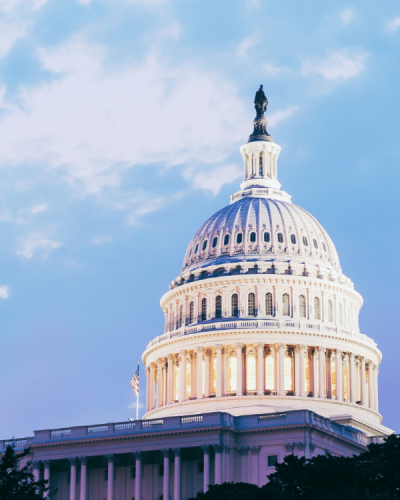
Following the November 3 midterm elections, Democratic lawmakers are positioned to steer the 120th Congress with a majority in both the House and Senate. Though President Trump’s veto power will likely limit any sweeping legislation through the end of his term, tax policy, including the federal estate tax, could return to the spotlight.
Current law provides a federal estate and gift tax exemption of $15 million per person. The One Big Beautiful Bill Act (OBBBA) of 2025 set that historically high exemption level and further orders the amount to index for inflation over time. The 120th Congress, however, can change those rules. The OBBBA also included several policies that many newly elected representatives and senators explicitly campaigned against. Most of the criticism was directed at headline issues like Medicaid reductions, but the present estate tax rule could also be revisited.
One example of how dramatic that change could be comes from Senator Sanders of Vermont who proposed the “For the 99.5 Percent Act.” It would reduce the basic estate and gift tax exclusion to $3.5 million, while imposing graduated tax rates reaching as high as 65% for billion-dollar estates. It also explicitly targets several sophisticated estate-planning techniques like Grantor Retained Annuity Trusts (GRATs) and Dynasty Trusts.
That proposal is not current law, nor does the election mean that an estate-tax change is inevitable. It does underscore how much can change in the world of estate planning based on an act of Congress.
If you have questions about estate planning or how best to prepare for or react to future legislative changes, the estate planning attorneys at Wright Beamer would be happy to assist with ensuring your plan reflects both your family’s goals and current law. Contact us today at 248.477.6300.
Make a Payment
© 2026 Wright Beamer, PLC
Legal Disclaimer | Privacy Policy
Law Firm Website Design by The Modern Firm


